Eastern Mendoza
Flat plains, wineries and rural towns along Route 7, with San Martín 43 km from the city.

In short
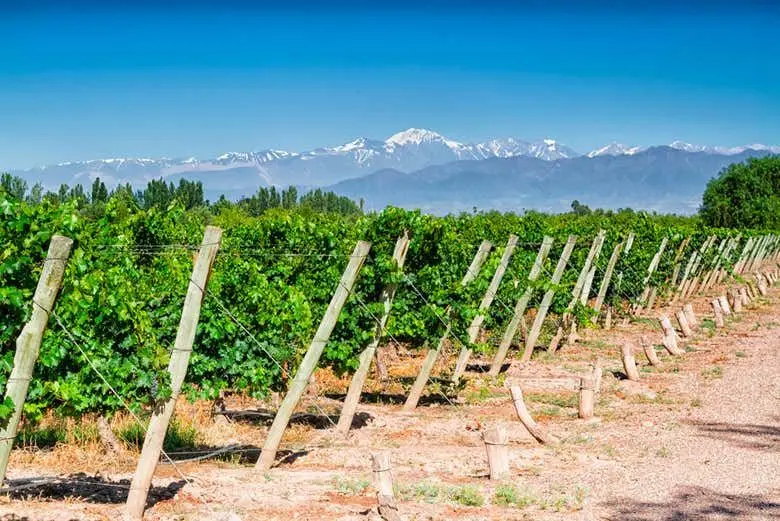
The East Zone is a strip of flat land covering five departments: San Martín, Junín, Rivadavia, Santa Rosa and La Paz. <cite index="3-2">It lies east of the city of Mendoza, with National Route 7 as its main axis</cite>, and San Martín is <cite index="3-6">43 km from the capital</cite>. <cite index="6-15">It is considered the main wine region of Mendoza</cite>, with vineyards, olive groves and rural villages. It is worth the trip for its San Martín history, the El Carrizal lake and country life, especially if you already know the city and the Andes.
San Martín: San Martín history and the county seat
San Martín is the county seat of its department and the gateway to the east for anyone coming from the capital. It sits 43 km from the city of Mendoza along Route 7, and its name honors the Liberator. For history, the clearest stops are the Las Bóvedas museum and Parque Agnesi. The area played a key role in preparing the Army of the Andes, and the sites that remember the general show it. The department is also known for its olive oil factories, if you want to see the productive side of the region.
El Carrizal, the lake on the Rivadavia plain
El Carrizal, also called Villa Turística San Isidro, is the best-known spot in Rivadavia. It is a man-made lake about 15 km long and 4 km wide, built to bring water to vineyards and crops in the dry plain of La Travesía. Today the surroundings are used for photographic safaris, birdwatching, quad biking, mountain biking and trekking. Rivadavia also offers hot air balloon flights, one of the typical outings in the department.
Junín, Santa Rosa and La Paz: countryside and tradition
Junín has a calmer pace, with farms and unhurried drives. The Fiesta de las Naciones takes place there, and you can visit the Santos Lugares winery. There are also balloon flights over what locals call the Garden of Mendoza.
In Santa Rosa and La Paz the plan is rural: sharing mate with local producers and sleeping in old country houses. These are dryland areas with rural roads and livestock fairs and exhibitions. La Paz hosts the Festival de la Paz and the Canto de Cuyo, and it suits travelers who want open landscapes and few crowds. Distances between towns are long, so plan your fuel.
Wine, olive oil and food of the plain
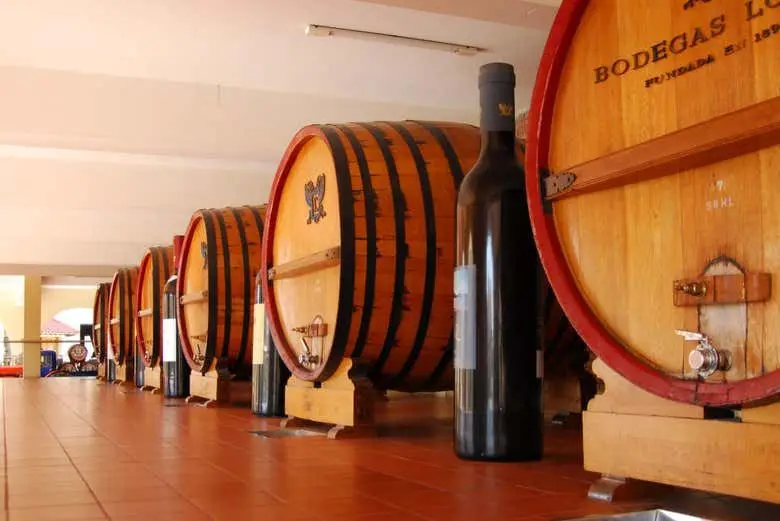
The east produces wine on a large scale. The zone has more than 90,000 hectares, almost all devoted to wine growing, and some wineries can make more than 10 million liters. Wine tourism is newer here: more than a hundred growers, entrepreneurs and officials came together to push a strategic plan for wine and rural tourism. So check ahead which wineries receive visitors and at what times. Olive growing is also typical of the east, and its processing plants can be visited. At the table, mate shared on the farm is part of the experience.
Where to stay in the East Zone
For a first visit, San Martín and Junín are the most practical base. From there it is easier to reach the other departments. If you want to be in the countryside, Santa Rosa and La Paz offer rural lodgings and campgrounds, and country houses let you sleep among the farms. Rivadavia is worth a detour if the activity you want justifies it, such as a balloon flight or a visit to the lake. If you are coming for a day from the capital, San Martín is the one that fits best in a single outing.
How many days to spend
Two days cover a first look: San Martín and Junín, with a stop at El Carrizal if the weather allows. If you add Rivadavia, Santa Rosa or La Paz, plan another day. The east is more rewarding on longer or repeat trips, so if you already know the capital, the wineries and high mountains, it is the next step. For return visitors, each department still has something new to discover.
Getting there
Take National Route 7, the main axis of the zone, heading east from the city of Mendoza. San Martín is 43 km from the capital along that road, and by car the trip there takes under an hour. The other departments are farther, so a full loop can take several hours. Before leaving, check road conditions: a full closure was reported on the stretch between Las Catitas and San Martín, and there are roadworks on the carriageway near Palmira. If you are not driving, I have not verified public transport to each town, so confirm it before you go.
When to go
The climate is semi-arid, with hot, dry summers and cool winters with sunny days. The best time to visit is spring (September to November) and autumn (March to May), when temperatures are more comfortable for cycling, quad biking or balloon flights. From February to April is the grape harvest, so wineries are busier and you should book ahead. Midday in summer on the plain is harsh, so go out early or in the afternoon. In winter mornings are cold, but the days are usually clear.
Tips
- Confirm before you go which wineries receive visitors and at what times, since the zone produces a lot but not every winery opens to the public.
- Check the condition of National Route 7 on the day you leave, since closures and roadworks have been reported in stretches near San Martín.
- Keep your tank full: in Santa Rosa and La Paz, distances and fuel need planning before you set off.
- Bring water, sunscreen and a hat; the plain sun is strong for much of the year.
- If you want a balloon flight, leave a spare day, because wind and weather can change the plan.
- If you go to Junín, remember it is the Mendoza department, not the city of the same name in Buenos Aires Province.
Frequently asked questions
How many days do I need for the East Zone?
Two days cover San Martín and Junín, with a stop at El Carrizal. If you want to add Rivadavia, Santa Rosa or La Paz, plan at least one more day, since the distances are long and countryside activities take time.
Can I visit the zone without a car?
A car is more convenient, because the towns are spread out and rural routes are easier at your own pace. I have not confirmed public transport to each town, so check before you travel.
Is it worth going for a day trip from the city of Mendoza?
Yes for San Martín, which is 43 km away and can be done as a round trip in one day. For El Carrizal, Rivadavia, Santa Rosa or La Paz, it is better to stay overnight, since the outings and long drives need more time.
When is the best time to go?
Spring and autumn are the best seasons, since the weather is more comfortable. From February to April is grape harvest, with more activity at the wineries, so book ahead. Summer heat on the plain is strong.
What does the East Zone pair well with?
<cite index="5-4">If you already know the capital, wineries and high mountains, the East Zone is the next step.</cite> It pairs well with the city of Mendoza and the high mountains, which are usually visited first.
What should I bring for the countryside?
Water, sunscreen, a hat and comfortable walking shoes. If you plan to go trekking, mountain biking or quad biking, bring clothing that protects you from the sun, and fill up the fuel tank before leaving the city.
Weather in Eastern Mendoza
Things to do in Eastern Mendoza
Bodega EMILCA
See details →Bodega Lanzarini
See details →Coop. Nueva California (Bodega)
See details →Hotel La Bodega
See details →Parque La Palmira
See details →Parque Recreativo "Dueño del Sol"
See details →Polideportivo 1 de Junín
See details →Anfiteatro
See details →Anfiteatro César Plastina
See details →and 34 more · by department: San Martín, Junín, Rivadavia, Santa Rosa, La Paz
Where to eat in Eastern Mendoza
Pancho Lucas
See details →Sr. Dulce
See details →Cafe Sucre
See details →Panaderia Dulce Pacto
See details →Panaderia Gonzalez
See details →Restaurante Parrilla "San José"
See details →Saavedra Resto Bar
See details →Café de la Patria
See details →Cafe Lautaro
See details →and 24 more · by department: San Martín, Junín, Rivadavia, Santa Rosa, La Paz
Where to stay in Eastern Mendoza
Complejo Departamental Caro Vecchio
See details →Camping Sindicato de Camioneros
See details →Hospedaje del Este
See details →Hotel Segundo Roma
See details →Mi casa
See details →Camping Los Barriales
See details →Camping Municipal de Rivadavia
See details →Camping y Natatorio municipal de la Paz
See details →Club de Pesca y Náutica Martín Pescador
See details →and 9 more · by department: San Martín, Junín, Rivadavia, Santa Rosa, La Paz